
Essential Packing List for Day Hikes in Rocky Mountain National Park

Updated: May 31
When you're planning a day hike in Rocky Mountain National Park, packing the right supplies can make the difference between a memorable adventure and an uncomfortable outing. Whether you’re tackling a short trail or an all day hike, knowing what to bring helps you stay safe, comfortable, and prepared for changing weather and terrain. My guide breaks down the essential items you need for both shorter and longer day hikes, so you only pack what you actually need. Since moving to the Rockies, I've been caught out with way more than I needed, and at times wished I had more. I hope this article is helpful to you in finding your basics!

What to Pack for day Hikes in Rocky Mountain National Park: Basics
Some essentials should always be in your pack. These basics cover safety, hydration, nutrition, and comfort:
Water: Carry at least 2 liters per person, even for short hikes. If you are unfamiliar with the trail or suspect you may need more, bring a lightweight water filter (like a LifeStraw) or purification tablets (such as AquaTab) just in case. I have a 2L camalback that fits into my daypack that I always rely on. If your a regular hiker, I'd highly reccomend this as an alternative to juggling waterbottles.
Food and Snacks: Pack energy-rich snacks like nuts, granola bars, and fruit. For longer hikes, include a light lunch. Remember, leave no trace! Bring a small baggie to pack out all food scraps, apple cores, and trash.
Clothing Layers: Weather changes rapidly near the Continental Divide, and afternoon storms are common. Wear a moisture-wicking base layer and always pack a rain jacket or poncho. I’ve been caught in rainstorms too many times to count, even when the forecast predicted clear skies!
Colder Weather: If you're hiking in cooler months, add a insulating mid-layer (like a fleece or down jacket) as well as gloves and a beanie.
Extra Socks: Clean, dry socks prevent blisters and are a lifesaver if your feet get wet. I carry an extra pair no matter how short the hike is.
Napkins or Wet Wipes: These really come in handy for so many reasons. From food to wiping off mud, I've always carried these with me for a reason. Again, leave no trace and bring a small bag! (this is a great chance to use those disposable grocery bags!)
Sun & Insect Protection: Sunscreen, sunglasses, and a wide-brimmed hat are non-negotiable. The high elevation makes it incredibly easy to get a severe sunburn and dehydrate quickly. Bring insect repellent for mosquitoes and ticks, especially near lakes and streams.

Navigation: A detailed paper trail map and compass, or a dependable GPS device. Cell service is notoriously spotty in the park, and emergency calls often won't go through.
I always download my trail maps ahead of time using AllTrails. It's a great tool for getting trailhead directions, checking recent user reviews, viewing trail closures, seeing elevation changes, etc (I love this app if you can't tell. *not sponsored*)
⚠️ Safety Tip: ALWAYS let someone at home know exactly which trail you plan to hike and when you expect to return, no matter how short your hike is! If a search-and-rescue mission becomes necessary, this information can save your life.

Additional Gear for Longer Day Hikes
If your hike will last several hours or cover rugged alpine terrain, you need to bring extra gear to stay safe:
Extra Water Filtration: Longer hikes require more hydration. ALWAYS bring a reliable water filter or water purification tablets to safely refill from mountain streams. Although the water looks cold and clean, there are bacteria in the water that can make you very sick.
Extra Food: Pack more substantial food than you think you need. It’s always better to finish a hike with leftover snacks than to run out of energy miles from the trailhead.
Trekking Poles: Excellent for saving your knees during steep ascents and rocky descents.
Insulated Jacket: Temperatures drop rapidly above 10,000 feet, even in the middle of summer. A thin mid-layer jacket makes a huge difference along with the rain jacket you should always have on you!
Emergency Protocol: If you lose the trail, do not wander further into the wilderness. Stay put, try to call 911, or activate your emergency SOS device. Don't wait until your situation becomes critical to seek help.
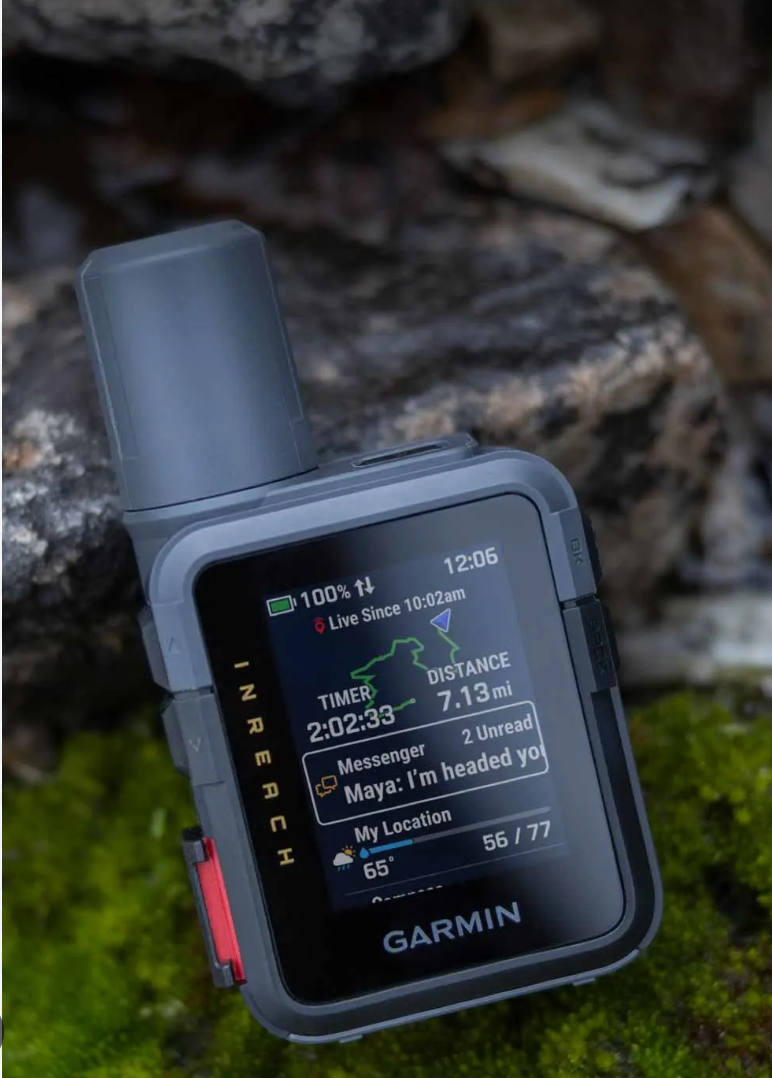
Satellite Messenger: If you frequently go on strenuous, multi-hour hikes—especially solo—consider investing in a satellite messenger (like a Garmin inReach) for emergency SOS signaling where there is no cell service. There are many different brands at different price points, be sure to research what fits your needs before purchasing.
Tips for Packing Light on Shorter Day Hikes
For shorter 1-2 hour hikes, you want to keep your pack light, but still bring the essentials. Here are some tips to help you pack smart:
Choose Lightweight Gear: Use a small daypack and lightweight plastic water bottles in lieu of metal bottles and canteens
Limit Clothing Layers: For warmer months, bring just one extra layer (your rain jacket or poncho) in case of weather changes.
Lighten Your Footwear: If your chosen trail is well-maintained and flat, you don't need heavy, waterproof ankle boots. A pair of sturdy trail runners or running shoes will do just fine. Always research the terrain beforehand! AllTrails is a great resource for this.
Pack Compact Snacks: Trail mix, energy gels, or bars take up significantly less space than bulky sandwiches and boxed snacks.
Skip Non-Essentials: E.g., Leave behind items like trekking poles unless you expect rough terrain. Again, AllTrails is a great resource to check out trail conditions ahead of time.
Be considerate of the difficulty of your hike: For example, if I'm going on a 2-4 hour easy-moderate day hike I wound't bring an emergency bivy tent, multiple water bottles, and a headlamp.
By focusing on the essentials, you can enjoy a comfortable day hike without carrying unnecessary weight.
Weather and Safety Considerations
Rocky Mountain weather can change rapidly. Afternoon thunderstorms are common in summer, and temperatures can drop suddenly at higher elevations. Here’s how to prepare:
Check the Weather Forecast: Before you leave, check the park’s current conditions.
Layer Clothing: Be ready to add or remove layers as temperatures shift. ALWAYS bring a rain jacket or poncho.
Tell Someone Your Plan: Let a friend or family member know your route and expected return time.
Start early: This is the golden rule of hiking in RMNP. Starting early helps you secure parking and ensures you are safely below the tree line before dangerous afternoon thunderstorms roll in.
Stay on Marked Trails: This protects fragile environments such as the alpine tundra and keeps you from getting lost.
Final Thoughts:What to Bring on Day Hikes in Rocky Mountain National Park
If you ask ten different hikers what's in their day pack, you'll get ten different answers! The best way to have a successful and enjoyable hike is to adapt to the variables: check the weather, know the terrain, and prepare accordingly.
Have you ever been stuck on a hike wishing you had brought something specific? Let us know in the comments below!


Comments